Early Mesozoic (Triassic Period):
* Pangea Supercontinent: The supercontinent Pangea began to break apart, initiating the formation of the Atlantic Ocean.
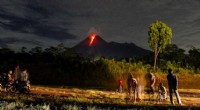
* Volcanic Activity: Extensive volcanic activity, likely related to the breakup of Pangea, led to the formation of large igneous provinces and contributed to significant climate change.
* Formation of Rift Valleys: The rifting process created extensive rift valleys, some of which eventually became sedimentary basins filled with important fossil deposits.
* Early Dinosaurs: The Triassic saw the rise of the first dinosaurs, which were small and relatively primitive.
Middle Mesozoic (Jurassic Period):
* Continued Continental Drift: The continents continued to drift apart, forming the beginnings of the modern continents.
* Expansion of Oceans: The Atlantic Ocean continued to widen, while the Tethys Sea formed between Laurasia (North America and Eurasia) and Gondwana (South America, Africa, India, Australia, and Antarctica).
* Formation of Mountain Ranges: The collision of tectonic plates began to form mountain ranges, including the Sierra Nevada in North America and the Andes Mountains in South America.
* Dinosaur Dominance: Dinosaurs flourished and diversified, evolving into a wide array of forms.
* Evolution of Birds: The first birds evolved from feathered dinosaurs during the Jurassic Period.
Late Mesozoic (Cretaceous Period):
* Further Continental Drift: The continents continued to move apart, creating the basic configuration of modern continents.
* Tethys Sea Regression: The Tethys Sea began to shrink as the Eurasian and African plates collided.
* Formation of the Himalayas: The collision of India with Asia started the process of forming the Himalayas, the world's highest mountain range.
* Large-Scale Volcanic Activity: Intense volcanic activity, possibly related to the formation of the Deccan Traps in India, may have played a role in the extinction event at the end of the Cretaceous.
* Extinction Event: The Cretaceous-Paleogene extinction event, widely believed to have been caused by an asteroid impact, led to the demise of non-avian dinosaurs and many other species.
In summary:
The Mesozoic Era was a time of dramatic geological changes. Continental drift, volcanic activity, and collisions of tectonic plates shaped the Earth's surface, resulting in the formation of oceans, mountains, and the modern continents. This era witnessed the rise and fall of dinosaurs, the evolution of birds, and the extinction event that marked the end of the era and the beginning of the Cenozoic.