Physical Weathering:
* Frost Wedging: Water seeps into cracks in the sandstone, freezes, expands, and widens the cracks. This is especially effective in cold climates with freeze-thaw cycles.
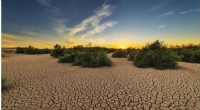
* Thermal Expansion/Contraction: Rapid temperature changes can cause the sandstone to expand and contract, leading to stress and cracking. This is common in deserts where there are large diurnal temperature swings.
* Salt Wedging: Similar to frost wedging, but salt crystals grow in cracks as water evaporates, putting pressure on the rock. This is prevalent in coastal or arid regions.
* Abrasion: Windblown sand and other particles can wear down the sandstone through abrasion, especially in exposed locations.
Chemical Weathering:
* Dissolution: While sandstone is relatively resistant to dissolution, the cement that binds the sand grains can be dissolved by acidic rainwater, especially if it's composed of calcite.
* Oxidation: Iron minerals in the sandstone can oxidize and turn reddish-brown, weakening the rock. This is especially common in humid climates.
* Hydrolysis: Water reacts with the minerals in the sandstone, breaking them down and forming new minerals. This process is slow but significant over time.
* Biological Weathering: Plant roots can grow in cracks and exert pressure, while burrowing animals and lichen can contribute to the breakdown of the sandstone.
Other factors:
* The type of cement: The cement holding the sand grains together plays a crucial role in weathering resistance. Calcite cement is more susceptible to dissolution than quartz cement.
* The grain size and composition: Sandstone with larger and more resistant grains is more resistant to weathering.
* Climate: Different climates favor different weathering processes. For example, frost wedging is common in cold climates, while salt wedging is prevalent in coastal areas.
It's important to note that weathering processes often work together. For example, physical weathering can create cracks that make the sandstone more susceptible to chemical weathering.