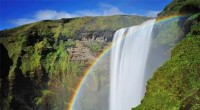
Here's a breakdown:
* Runoff is the water that flows over the land surface, rather than soaking into the ground.
* It is a crucial part of the hydrologic cycle and plays a significant role in shaping the Earth's landscape.
* Sources of runoff include rainfall, melting snow and ice, and irrigation.
Factors that influence runoff:
* Amount of precipitation: More rainfall means more runoff.
* Type of soil: Permeable soils allow water to infiltrate, reducing runoff.
* Topography: Steep slopes promote rapid runoff.
* Vegetation: Plant roots help absorb water, decreasing runoff.
* Human activities: Urbanization, deforestation, and agriculture can all impact runoff patterns.
Types of runoff:
* Surface runoff: Water flowing over the land surface.
* Channel runoff: Water flowing in a defined channel, like a stream or river.
Impacts of runoff:
* Erosion: Runoff can erode soil and transport sediment.
* Flooding: Heavy rainfall can lead to excessive runoff and flooding.
* Pollution: Runoff can carry pollutants from urban areas, farms, and industrial sites.
I hope this helps! Let me know if you have any other questions.