1. Weathering: This is the breakdown of rock into smaller pieces, often due to:
* Physical weathering: Mechanical forces like freezing/thawing (ice expanding in cracks), abrasion (rock rubbing against rock), and plant roots breaking rocks apart.
* Chemical weathering: Chemical reactions like oxidation (rusting), acid rain, and the dissolving of minerals by water.
Deposition: The weathered rock fragments are carried away by wind, water, or ice and deposited in a new location, forming sediments.
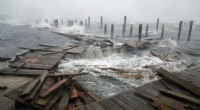
2. Water Erosion: Moving water, like rivers and ocean waves, can:
* Abrasion: Carry rock fragments that scour and wear down bedrock.
* Hydraulic Action: The force of water can crack and break rocks.
* Solution: Dissolving minerals in the water can erode rock.
Deposition: The eroded rock fragments are deposited in new locations, forming riverbeds, deltas, beaches, and ocean floor sediments.
3. Glacial Erosion: Massive ice sheets can:
* Plucking: Freeze to bedrock and pull away rock fragments as they move.
* Abrasion: Scrape and polish bedrock with embedded rock fragments.
* Transportation: Carry huge amounts of rock debris as they move.
Deposition: The eroded rock fragments are deposited as glaciers melt, forming glacial valleys, moraines, and outwash plains.