Here's how:
* Earth's crust is divided into large plates that move and interact. These plates are called tectonic plates.
* Most earthquakes, volcanoes, and mountain ranges occur along plate boundaries. The interactions between these plates create the geological features we see.
* Different types of plate boundaries have different associated features:
* Divergent boundaries: Where plates move apart, creating new crust. This is associated with mid-ocean ridges, rift valleys, and volcanic activity.
* Convergent boundaries: Where plates collide. This can result in subduction zones (one plate slides under another), leading to deep ocean trenches, volcanic arcs, and mountain ranges. This is also where the most powerful earthquakes occur.
* Transform boundaries: Where plates slide past each other horizontally. This causes earthquakes along the fault lines.
Here's a summary of the patterns:
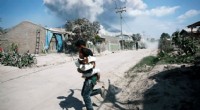
* Volcanoes and earthquakes: Concentrated around the edges of tectonic plates, particularly along convergent boundaries where subduction zones occur.
* Mountains: Form along convergent boundaries, where collisions cause the crust to buckle and fold.
* Trenches: Deepest parts of the ocean, found along convergent boundaries where one plate is being subducted.
Therefore, the distribution of major crustal features is not random, but rather a direct consequence of the dynamic processes of plate tectonics.