Alluvial Sand:
* Formation: Created by rivers eroding rock and carrying sediment downstream. This sediment is deposited in riverbeds, floodplains, and deltas.
* Characteristics: Often well-sorted and rounded due to the abrasion and transportation process.
Non-Alluvial Sand:
* Formation: Can arise from various geological processes, including:
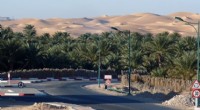
* Wind Deposition: Wind carries sand grains, forming dunes, beaches, and other aeolian deposits.
* Glacial Deposits: Glaciers grind down rock and transport sediment, depositing it as till when the glacier melts.
* Coastal Erosion: Waves and currents erode cliffs and shorelines, releasing sand into the ocean or onto beaches.
* Volcanic Activity: Eruptions can produce volcanic ash and other materials that weather into sand.
* Characteristics: May exhibit different characteristics depending on the origin:
* Wind-blown sand: Often well-sorted and exhibits a specific "dune" texture.
* Glacial sand: Can be poorly sorted and contain angular fragments.
* Coastal sand: May have a mix of rounded and angular grains, often influenced by the type of rock being eroded.
Examples:
* Alluvial sand: Found in riverbeds, deltas, and floodplains.
* Non-alluvial sand: Coastal sand dunes, glacial outwash plains, volcanic sand deposits.
Key Differences:
The primary difference between alluvial and non-alluvial sand lies in their origin and mode of deposition. Alluvial sand is formed by river activity, while non-alluvial sand is formed by other geological processes. The characteristics of the sand can vary depending on the source and transport mechanism.