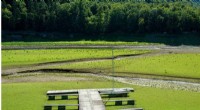
1. Alluvial Soils: These soils are formed by the deposition of sediments from rivers and streams. They are typically fertile and well-drained, making them suitable for agriculture. Examples include:
* Bottomland soils: Found in low-lying areas near rivers and streams, they are rich in organic matter and often have a high clay content.
* Floodplain soils: These soils are subject to periodic flooding, which replenishes their nutrients.
2. Coastal Plain Sands: These soils are formed from the weathering of coastal sands. They are typically sandy and well-drained, but can be low in nutrients.
3. Marine Deposits: These soils are formed from the deposition of marine sediments, such as shells and sand. They can be rich in calcium carbonate and other minerals, but are often poorly drained.
4. Piedmont Soils: These soils are found at the foot of the Piedmont region, where the coastal plain meets the higher elevation. They are often a mixture of sand, clay, and silt, and can be quite fertile.
5. Clayey Soils: In some coastal plains, especially in areas with a history of flooding or deposition, clayey soils can be found. These soils are heavy and can be difficult to cultivate.
Factors influencing soil type:
* Climate: The amount of rainfall and temperature influence weathering processes and soil development.
* Geology: The underlying bedrock and parent material determine the composition of the soil.
* Topography: Elevation and slope affect drainage patterns and soil erosion.
* Vegetation: The type of vegetation influences the organic matter content and the soil's fertility.
It's important to note that the specific soil type can vary greatly within a coastal plain depending on these factors.