1. Heat Source: The Earth's core is incredibly hot, and this heat is transferred outwards.
2. Mantle Convection: The mantle, a layer of semi-solid rock below the crust, is heated from below. This heat causes the mantle to become less dense and rise. As it rises, it cools and becomes denser, sinking back down. This continuous cycle of rising and sinking creates convection currents in the mantle.
3. Crustal Movement: These convection currents within the mantle drag the Earth's crust along with them. This movement manifests as:
* Plate tectonics: The Earth's crust is broken into large pieces called tectonic plates. These plates move slowly over the mantle due to convection.
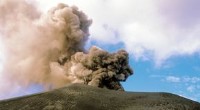
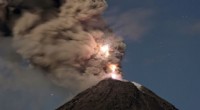
* Volcanoes and Earthquakes: The movement of tectonic plates can cause them to collide, separate, or slide past each other. These interactions lead to the formation of volcanoes, earthquakes, and other geological features.
In summary: While convection doesn't directly occur within the crust, it's driven by the heat from the Earth's core and the movement of the mantle. This mantle convection is the underlying force behind the movement of the Earth's crust and the formation of various geological features.