1. Plate Tectonics:
* Earth's surface is made up of massive plates called tectonic plates. These plates are constantly moving, driven by forces deep within the Earth.
* Convergent Plate Boundaries: Mountains form primarily where these plates collide (converge).
2. Collision and Compression:
* When two plates collide, the denser plate is often forced beneath the less dense plate in a process called subduction.
* This collision creates immense pressure, causing the rocks at the plate boundary to buckle, fold, and uplift.
3. Uplift and Erosion:
* The folded and uplifted rocks form mountain ranges.
* Over millions of years, these mountains are further sculpted by erosion. Weathering, wind, ice, and water wear down the peaks, creating the unique shapes and features we see today.
Types of Mountains:
* Fold Mountains: Formed by compression and folding of rocks, often found in mountain ranges like the Himalayas.
* Fault-Block Mountains: Formed by the uplift of blocks of crust along faults, often found in the Basin and Range Province of the western United States.
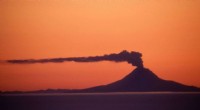
* Volcanic Mountains: Formed by eruptions of lava and ash from volcanoes.
Other Factors:
* Isostasy: The balance of forces between the Earth's crust and the mantle plays a role in mountain uplift.
* Magma Intrusions: Injections of molten rock (magma) into the crust can cause localized uplift and mountain formation.
Examples:
* The Himalayas, the tallest mountain range in the world, were formed by the collision of the Indian and Eurasian plates.
* The Appalachian Mountains in North America were formed by the collision of the African and North American plates.
* The Rocky Mountains were formed by complex interactions involving the Pacific and North American plates.
In essence, mountains are a result of the dynamic forces within the Earth, pushing and pulling the crust, and the constant reshaping of the landscape by erosion.