Formation:
* Erosion: Most valleys are formed by the erosive power of rivers, glaciers, or wind.
* Tectonic activity: Some valleys are formed by tectonic movements like faulting or folding.
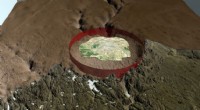
* Volcanic activity: Valleys can also form from volcanic activity, like the collapse of volcanic craters or the erosion of lava flows.
Types:
* River valleys: Formed by the erosive action of rivers. They typically have a V-shaped profile.
* Glacial valleys: Formed by the erosive action of glaciers. They typically have a U-shaped profile.
* Canyon: A deep, narrow valley with steep sides, often carved by rivers or glaciers.
* Valley floor: The bottom of a valley, often covered by sediment or vegetation.
* Valley sides: The slopes on either side of a valley, often formed by erosion or tectonic uplift.
Features:
* Valley bottom: Often flat or gently sloping, containing the river or glacier that formed it.
* Valley sides: Can be steep or gradual, depending on the type of erosion that formed them.
* Valley head: The upper end of the valley, where it meets the mountain range or higher ground.
* Valley mouth: The lower end of the valley, where it opens into a larger plain or another valley.
* Terraces: Horizontal or sloping platforms along the valley sides, formed by erosion or deposition.
Significance:
* Human settlement: Valleys are often fertile and suitable for agriculture, making them prime locations for human settlements.
* Water resources: Valleys are often home to rivers and lakes, providing valuable water resources for communities.
* Biodiversity: Valleys can host a wide variety of plants and animals, making them important for biodiversity conservation.
* Recreational opportunities: Valleys are popular destinations for hiking, camping, and other outdoor activities.
Other interesting facts:
* The Grand Canyon is one of the most famous valleys in the world, carved by the Colorado River.
* The valley of the Nile River is one of the longest valleys in the world, stretching for over 6,650 km.
* Valleys can be found on all continents and in various climates, from tropical rainforests to arctic tundras.
These are just a few facts about valleys. There are many other interesting things to learn about these fascinating landforms.