1. Differential Weathering:
* Rock Types: Texas is built upon a foundation of diverse rock types, including sedimentary, igneous, and metamorphic rocks. These rocks weather at different rates due to their mineral composition and hardness.
* Climate Variations: Texas experiences a wide range of climates, from the humid Gulf Coast to the arid western regions. This variation in rainfall, temperature, and wind patterns influences the speed and type of weathering.
* Chemical Weathering: Rainwater, especially in areas with acidic soil, can dissolve certain minerals in rocks, leading to the formation of caves, sinkholes, and karst landscapes, such as the Edwards Plateau.
* Physical Weathering: Freezing and thawing of water in cracks of rocks can cause them to break apart. Wind abrasion, especially in arid regions, can also wear down rock surfaces.
2. Erosion and Transportation:
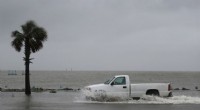
* Water: Rain and rivers are the primary agents of erosion in Texas. Heavy rainfall can lead to flash floods, eroding soil and transporting sediment downstream, shaping valleys and canyons.
* Wind: Strong winds, especially in the western regions, can pick up sand and dust, transporting it across the landscape. This wind erosion creates sand dunes and contributes to the formation of deserts.
* Gravity: Gravity plays a role in landslides and mass movements, especially in mountainous areas. This can create steep slopes and valleys.
* Glaciers: While not present in Texas today, ancient glaciers in the Rocky Mountains have contributed to the formation of some of the state's geological features through the erosion and deposition of sediment.
3. Landform Creation and Ecoregion Formation:
* Mountains: The uplift of the Rocky Mountains and the Ouachita Mountains in the west has created the high-elevation regions of West Texas, influencing the development of grasslands and desert ecosystems.
* Plateaus: The Edwards Plateau, formed by erosion of limestone bedrock, is characterized by canyons, caves, and grasslands, supporting unique wildlife.
* Coastal Plains: The Gulf Coastal Plain is a flat, low-lying region formed by the deposition of sediment from rivers. This area supports forests, wetlands, and diverse coastal ecosystems.
* Deserts: The arid climate and wind erosion have created the Chihuahuan Desert in West Texas, with its distinctive flora and fauna adapted to harsh conditions.
4. Soil Formation and Nutrient Cycling:
* Weathering and erosion break down parent rock material, releasing nutrients and creating soil. The type of soil formed depends on the parent rock, climate, and vegetation.
* Soil erosion can deplete nutrients and lead to land degradation, impacting plant growth and biodiversity.
In summary:
Weathering and erosion are dynamic processes that have sculpted Texas' landscape over millions of years, creating the distinct ecoregions we see today. The combination of diverse rock types, varied climate, and erosional forces has resulted in a mosaic of habitats, ranging from lush forests to arid deserts, each supporting its own unique flora and fauna. Understanding these processes is crucial for managing land use and conservation efforts in this diverse state.