Internal Forces (Geologic Processes):
* Plate Tectonics: This is the primary driver of large-scale change. The Earth's crust is divided into tectonic plates that move and interact, causing:
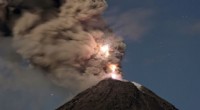
* Volcanism: When plates converge, one can slide beneath the other (subduction). This process melts rock, creating magma that rises to the surface, erupting as volcanoes. Volcanoes build up landmasses and release gases and ash that alter the atmosphere.
* Earthquakes: Sudden movements along plate boundaries release energy as seismic waves, causing earthquakes. These events can reshape landscapes, triggering landslides and tsunamis.
* Mountain Building: The collision of plates can cause landmasses to buckle and fold, forming mountains. These ranges are also subject to erosion, shaping their final forms.
* Magmatism: This refers to the movement of magma within the Earth's crust. Besides volcanic eruptions, it can also cause:
* Intrusive Igneous Rocks: When magma cools and solidifies beneath the surface, it forms igneous rocks like granite. Over time, these rocks can be exposed by erosion, creating new landscapes.
* Diapirs: These are bulbous masses of magma or salt that rise through denser rock, often forming domes or other landforms.
External Forces (Weathering and Erosion):
* Weathering: This is the breakdown of rock, soil, and minerals through physical and chemical processes:
* Physical Weathering: The mechanical breakdown of rocks without changing their chemical composition. Examples include:
* Frost Wedging: Water freezes in cracks, expanding and breaking the rock.
* Thermal Expansion/Contraction: Alternating temperatures cause rocks to expand and contract, leading to cracking.
* Abrasion: Rocks and sediment carried by wind, water, or ice grind against surfaces, wearing them down.
* Chemical Weathering: The decomposition of rocks through chemical reactions, changing their composition. Examples include:
* Acid Rain: Acidic precipitation dissolves rock, especially limestone.
* Oxidation: Iron in rocks reacts with oxygen, forming rust and weakening the rock.
* Hydrolysis: Water reacts with minerals, breaking down the rock.
* Erosion: The movement of weathered material by wind, water, or ice.
* Water Erosion: Rivers carve valleys, transport sediment, and create deltas. Ocean waves shape coastlines, eroding cliffs and creating beaches.
* Wind Erosion: Wind carries dust and sand, sculpting landscapes and creating dunes.
* Glacial Erosion: Moving ice sheets carve valleys, deposit sediment, and create distinctive landforms.
Other Factors:
* Biological Activity: Plants and animals can contribute to weathering and erosion. Tree roots break up rocks, and burrowing animals create tunnels that enhance erosion.
* Human Activity: Mining, construction, deforestation, and other human activities can significantly alter the Earth's surface.
Conclusion:
The Earth's surface is constantly evolving, shaped by a complex interplay of internal and external forces. These processes create a diverse range of landforms and contribute to the planet's dynamic and ever-changing landscape.