1. Weathering: This is the breakdown of rocks, soil, and minerals through direct contact with the Earth's atmosphere, water, and biological organisms. It can be further divided into:
* Physical weathering: This involves the mechanical breakdown of rocks into smaller pieces without changing their chemical composition. Examples include:
* Frost wedging: Water freezes in cracks, expands, and breaks the rock.
* Abrasion: Rocks rub against each other, wearing them down.
* Thermal expansion and contraction: Temperature changes cause rocks to expand and contract, leading to cracks.
* Chemical weathering: This involves the chemical alteration of rocks, changing their composition. Examples include:
* Oxidation: Iron in rocks reacts with oxygen to form iron oxide (rust).
* Hydrolysis: Water reacts with minerals in rocks, breaking them down.
* Carbonation: Carbon dioxide in the atmosphere dissolves in rainwater, creating carbonic acid that can dissolve rocks.
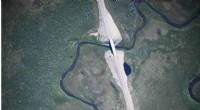
2. Erosion: This is the process of moving weathered rock and soil from one location to another. It is driven by forces such as:
* Water: Rain, rivers, and glaciers can carry away weathered material.
* Wind: Wind can transport dust and sand.
* Gravity: Gravity pulls weathered material downhill, leading to landslides and soil creep.
These two processes work together to create soil. Weathering breaks down the rock into smaller particles, and erosion transports these particles to new locations where they can accumulate and form soil.