1. Weathering: This is the first step in breaking down rocks. It involves the physical and chemical breakdown of rocks into smaller pieces. Here are examples:
* Physical weathering: Freeze-thaw cycles (water expands when frozen, breaking rocks), abrasion (rocks rubbing against each other), and root wedging (plant roots growing into cracks).
* Chemical weathering: Acid rain dissolving limestone, oxidation (rusting of iron-rich rocks), and hydrolysis (water reacting with minerals).
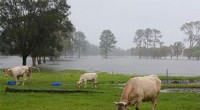
2. Water Erosion: Moving water is a powerful force that can carry away rock fragments. Examples include:
* Rivers: Carry sediment downstream, creating canyons and valleys.
* Rain: Can cause splash erosion, which dislodges soil and rocks.
* Waves: Crashing waves erode coastlines, forming cliffs and beaches.
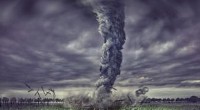
3. Wind Erosion: Wind can pick up and transport sand, dust, and small rock fragments, especially in dry areas.
* Deflation: Wind removes loose particles, leaving behind depressions.
* Abrasion: Windblown sand acts like sandpaper, eroding rock surfaces.
4. Glacial Erosion: Massive glaciers can carve out valleys and transport rocks over long distances.
* Plucking: Melting ice breaks off rock fragments.
* Abrasion: Glaciers act like giant sandpaper, grinding down rock surfaces.
Let me know if you'd like more detail on any of these processes!