Here's a breakdown of key aspects:
Types of Geological Processes:
* Endogenic Processes: Driven by internal heat and energy of the Earth.
* Plate tectonics: The movement of Earth's lithospheric plates, causing earthquakes, volcanic eruptions, mountain building, and the formation of ocean basins.
* Magmatism: The generation and movement of magma (molten rock) within the Earth's crust and mantle, leading to volcanic activity and intrusive igneous rocks.
* Metamorphism: The transformation of existing rocks by heat, pressure, and chemical reactions, resulting in metamorphic rocks like marble and slate.
* Exogenic Processes: Driven by external forces like solar energy, gravity, and the atmosphere.
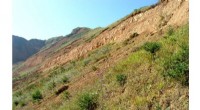
* Weathering: The breakdown of rocks and minerals at the Earth's surface by physical, chemical, or biological agents.
* Erosion: The transportation of weathered material by wind, water, ice, or gravity.
* Deposition: The settling and accumulation of eroded material in new locations, forming sedimentary rocks and landforms like deltas and sand dunes.
* Hydrological processes: The movement and distribution of water on and beneath the Earth's surface, including precipitation, runoff, groundwater flow, and evaporation.
Key Characteristics of Geological Processes:
* Continuous and cyclical: Geological processes are ongoing and often operate in cycles, like the rock cycle.
* Interconnected: Different processes interact and influence each other, creating complex systems and feedback loops.
* Variable rates: Processes occur at different speeds, from rapid events like volcanic eruptions to slow, gradual changes like mountain uplift.
* Form landforms: Geological processes are responsible for shaping Earth's surface, creating diverse landscapes and geological features.
Examples of Geological Processes:
* The formation of mountains: Caused by plate collisions and subsequent uplift.
* The creation of canyons: Formed by river erosion over millions of years.
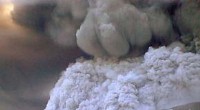
* Volcanic eruptions: Result from the release of magma from the Earth's interior.
* Earthquakes: Occur due to sudden movements along fault lines.
* The formation of fossils: Occurs when organisms are buried in sediment and preserved over time.
Understanding geological processes is crucial for comprehending the Earth's history, its present state, and its future evolution. This knowledge is also essential for managing natural resources, mitigating natural hazards, and planning for sustainable development.