Mountain Ranges:
* Himalayas: The world's highest mountain range, home to Mount Everest and numerous other peaks over 8,000 meters.
* Andes Mountains: The longest mountain range in the world, stretching along the western coast of South America.
* Alps: A prominent mountain range in Europe, known for its stunning scenery and challenging climbs.
* Rocky Mountains: A major mountain range in North America, spanning from Canada to the United States.
* Appalachian Mountains: An ancient mountain range in the eastern United States, known for its rolling hills and forests.
* Tibetan Plateau: The highest plateau in the world, located in central Asia.
Volcanic Landscapes:
* Mount Kilimanjaro: The tallest mountain in Africa, a dormant volcano with a striking snow-capped peak.
* Mount Fuji: A dormant volcano in Japan, considered a sacred mountain.
* Mauna Kea: A dormant volcano in Hawaii, renowned for its astronomical observatories.
Plateaus and Canyons:
* Grand Canyon: A massive canyon carved by the Colorado River in Arizona, USA.
* Colorado Plateau: A high-elevation plateau in the southwestern United States, characterized by mesas, buttes, and canyons.
* Tibetan Plateau: The highest plateau in the world, located in central Asia.
Specific Features:
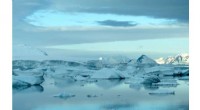
* Glaciers: Large bodies of ice that slowly flow down mountains, carving out valleys and shaping the landscape.
* Cliffs: Steep rock faces that rise above the surrounding terrain, providing challenging climbing opportunities.
* Peaks: The highest points of mountains, often offering panoramic views and challenging climbs.
Challenges of Rugged, High-Elevation Areas:
* Altitude Sickness: The reduced air pressure at high altitudes can lead to headaches, nausea, and shortness of breath.
* Extreme Weather: Rugged areas can experience harsh weather conditions, including strong winds, heavy snowfall, and extreme temperatures.
* Difficult Terrain: Steep slopes, loose rocks, and glaciers can make travel challenging and dangerous.
* Limited Resources: Food, water, and shelter can be scarce in remote, rugged areas.
These are just a few examples of rugged areas of high elevation. These areas are often popular destinations for adventure seekers, climbers, and nature enthusiasts. However, it is important to be prepared for the challenges and risks associated with these environments.