Internal Forces:
* Tectonic Activity:
* Plate Tectonics: The Earth's crust is divided into massive plates that move and interact. These interactions create:
* Mountains: Collision of plates (e.g., Himalayas).
* Volcanoes: Plates move apart allowing magma to rise (e.g., Mount Fuji).
* Trenches: Subduction zones where one plate slides under another (e.g., Mariana Trench).
* Faults: Fractures in the Earth's crust caused by plate movements.
* Earthquakes: Sudden releases of energy along faults.
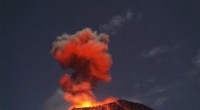
* Volcanic Eruptions: Explosive or effusive releases of molten rock (magma) from the Earth's interior.
* Magmatism:
* Intrusive Igneous Activity: Magma solidifies within the Earth's crust forming batholiths, sills, and dikes.
* Extrusive Igneous Activity: Magma erupts onto the Earth's surface as lava flows, creating volcanoes and lava plateaus.
External Forces:
* Weathering: The breakdown of rocks, soil, and minerals through physical and chemical processes:
* Physical Weathering: Breaks down rocks into smaller pieces (e.g., frost wedging, thermal expansion, abrasion).
* Chemical Weathering: Alters the composition of rocks (e.g., oxidation, dissolution).
* Erosion: The movement of weathered material by forces such as:
* Water: Rivers, streams, rain, and waves carry sediment downstream.
* Wind: Wind erodes and transports soil and sand (e.g., dunes, loess deposits).
* Ice: Glaciers carve valleys, transport sediment, and deposit moraines.
* Gravity: Landslides, rockfalls, and mudflows move material downhill.
* Deposition: The process where eroded material is dropped or settled in a new location:
* Alluvial Fans: Deposition of sediment at the base of mountains.
* Deltas: Deposition of sediment at the mouth of rivers.
* Sandbars: Deposition of sand in rivers and along shorelines.
* Glacial Till: Unsorted sediment deposited by glaciers.
Other Factors:
* Climate: Affects weathering and erosion rates.
* Plant Life: Roots can break up rocks and help stabilize slopes.
* Human Activity: Mining, construction, and agriculture can significantly alter landforms.
Summary:
Landforms are constantly being shaped and reshaped by a combination of internal and external forces. These forces act over varying timescales, from short-term events like landslides to long-term processes like mountain building. The interaction of these forces creates the diverse and fascinating landscape we see around us.