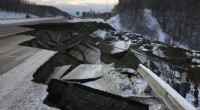
Tectonic hazards are natural disasters caused by the movement and interaction of the Earth's tectonic plates. These plates are massive slabs of rock that make up the Earth's outer layer, and their movements can cause a variety of geological phenomena, some of which pose significant risks to human life and property.
Here's a breakdown:
1. Tectonic Plate Movement:
* The Earth's tectonic plates are constantly in motion, driven by the heat and convection currents within the Earth's mantle.
* These movements can be slow and gradual, or sudden and violent, causing various geological events.
2. Types of Tectonic Hazards:
* Earthquakes: Occur when tectonic plates abruptly slip past each other, releasing enormous amounts of energy.
* Volcanic Eruptions: Result from the movement of magma (molten rock) from the Earth's mantle to the surface.
* Tsunamis: Large, destructive waves triggered by underwater earthquakes or volcanic eruptions.
* Landslides: Occur when the ground becomes unstable due to factors like earthquakes, volcanic eruptions, or heavy rainfall.
* Subsidence: Sinking or settling of the ground, often caused by the withdrawal of underground fluids or tectonic activity.
* Mountain Building: The collision of tectonic plates can create mountains, mountain ranges, and other landforms.
3. Impacts of Tectonic Hazards:
* Loss of Life: Tectonic hazards can cause widespread death and injury.
* Damage to Infrastructure: Buildings, roads, bridges, and other structures can be severely damaged or destroyed.
* Economic Disruptions: Disruptions to trade, transportation, and other economic activities.
* Environmental Impacts: Tectonic hazards can cause environmental damage, including soil erosion, pollution, and habitat destruction.
4. Mitigation and Preparedness:
* Understanding and Monitoring: Scientists use various methods to monitor tectonic activity and predict potential hazards.
* Building Codes and Construction Techniques: Designing buildings and infrastructure to withstand earthquakes and other hazards.
* Early Warning Systems: Developing systems to provide timely warnings of impending earthquakes, volcanic eruptions, and tsunamis.
* Evacuation Plans: Creating plans for evacuating people from areas at risk of tectonic hazards.
In conclusion, tectonic hazards are significant natural disasters that pose serious threats to human life, property, and the environment. Understanding the causes, impacts, and mitigation strategies for these hazards is crucial for protecting lives and minimizing the risks.