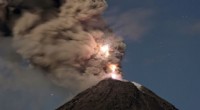
* Volcanoes: Volcanoes are formed by the eruption of magma, which originates from the partially molten mantle. A solid mantle wouldn't produce magma, thus eliminating volcanoes.
* Mid-ocean ridges: These underwater mountain ranges are formed by the upwelling and spreading of magma at divergent plate boundaries. A solid mantle wouldn't allow for this movement.
* Subduction zones and trenches: Subduction zones occur when one tectonic plate slides beneath another. This process is driven by the movement of the mantle, which is facilitated by its semi-molten state. Without a partially molten mantle, subduction would be impossible.
* Earthquakes: Earthquakes are caused by the movement of tectonic plates, which is again driven by the dynamic nature of the mantle. A solid mantle would eliminate tectonic plate movement, resulting in no earthquakes.
* Mountain ranges: Mountain ranges are often formed by the collision of tectonic plates, a process made possible by the movement of the mantle.
In short, without a partially molten mantle, the Earth's surface would be much less dynamic and diverse. We would likely see a relatively flat and unchanging landscape, devoid of volcanoes, mountains, and other features we associate with our planet.