1. Plate Tectonics:
* Volcanoes: Volcanoes form when molten rock (magma) from the mantle rises to the surface. A solid mantle would prevent magma from rising and erupting.
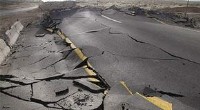
* Earthquakes: Earthquakes occur due to the movement of tectonic plates, which are driven by convection currents in the mantle. A solid mantle would eliminate these currents and thus, earthquakes.
* Mountain Ranges: Collision zones between tectonic plates create mountain ranges. Without plate movement, mountains wouldn't form.
* Mid-Ocean Ridges: These underwater mountain ranges form at divergent plate boundaries where magma rises and solidifies. A solid mantle would stop this process.
* Ocean Trenches: These deep depressions form where one tectonic plate subducts (slides) under another. This process is driven by mantle convection, which wouldn't exist with a solid mantle.
2. Landforms Created by Erosion and Weathering:
* Canyons: Canyons are carved out by rivers over long periods, often aided by tectonic uplift that creates the initial elevation. A solid mantle would not produce uplift, hindering canyon formation.
* Valleys: Valleys are formed by erosion, and tectonic activity plays a role in shaping the landscape and providing elevation differences.
* Coastal Features: Coastal features like beaches, cliffs, and inlets are heavily influenced by the interaction between the ocean and land. While erosion and weathering would still occur, the lack of tectonic activity would drastically alter the scale and shape of these features.
3. Other Features:
* Hot Springs: Hot springs are formed by heated groundwater. The heat source is often magma rising from the mantle. A solid mantle would eliminate this heat source.
Essentially, a solid mantle would create a static and relatively flat Earth with limited geological activity. It would be a drastically different planet compared to the dynamic and ever-changing world we live on today.