1. Climate and Weather:
* Global Climate: The Earth's surface area influences how much solar radiation it absorbs, impacting global temperatures and atmospheric circulation.
* Local Climate: The surface area of a specific region, like a desert or rainforest, determines its microclimate and weather patterns.
* Coastal vs. Inland Areas: Surface area affects the interaction between land and ocean, influencing coastal climates.
2. Geographic Processes:
* Erosion: Surface area determines the rate of erosion by wind, water, or ice, influencing landforms and landscapes.
* Sedimentation: The surface area of a drainage basin influences the amount of sediment transported and deposited, shaping river valleys and deltas.
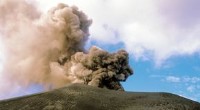
* Volcanic Activity: Surface area is crucial in understanding the distribution and impact of volcanic eruptions.
3. Biogeography:
* Species Distribution: Surface area can impact the diversity and abundance of species in a given area. Larger areas often have higher biodiversity due to greater habitat variability.
* Ecosystem Dynamics: Surface area plays a role in understanding how ecosystems function, especially in terms of nutrient cycling and energy flow.
4. Resource Management:
* Water Resources: Surface area of watersheds and aquifers influences water availability and management.
* Mineral Resources: Surface area helps in mapping and estimating the potential of mineral deposits.
* Land Use: Surface area plays a role in land use planning and management for agriculture, urban development, and conservation.
Calculating Surface Area:
The specific method for calculating surface area depends on the shape of the geographical feature.
* Spheres: Like the Earth, surface area is calculated using the formula 4πr², where r is the radius.
* Irregular Shapes: More complex shapes, like mountains and continents, often require approximation techniques using geographical data and mapping tools.
Surface area is a vital concept in understanding Earth's diverse processes and systems, providing valuable insights into climate, geography, biodiversity, and resource management.