1. Convergent Plate Boundaries:
* Process: When two tectonic plates collide, the denser plate subducts (sinks) beneath the less dense plate. This process creates a zone of intense pressure and heat, causing the overriding plate to buckle and fold upwards.
* Examples:
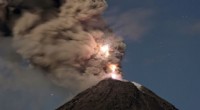
* Continental-Oceanic Convergence: This results in volcanic mountain ranges like the Andes in South America. The subducting oceanic plate melts as it descends, leading to the formation of magma that rises and erupts at the surface.
* Continental-Continental Convergence: This creates towering mountain ranges like the Himalayas. As two continents collide, their crust is crumpled and uplifted, forming immense folds and thrust faults.
2. Fault-Block Mountains:
* Process: This occurs at divergent plate boundaries where the plates are pulling apart. As the plates move away from each other, the crust is stretched and thinned. This can create normal faults where blocks of crust drop down relative to adjacent blocks. The uplifted blocks form mountains, while the down-dropped blocks create valleys.
* Examples:
* Sierra Nevada Mountains (California, USA): Formed by a series of normal faults along the western edge of the North American plate.
* Basin and Range Province (Western USA): A vast region characterized by alternating mountain ranges and valleys created by fault-block activity.
It's important to remember that mountains are formed by a complex interplay of forces, and these are just two of the primary mechanisms. Other factors like erosion, volcanic activity, and the effects of past geological events also play a role in mountain formation.