1. Weathering:
* Physical weathering: The breakdown of rocks into smaller pieces without changing their chemical composition. Examples include:
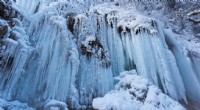
* Frost wedging: Water seeps into cracks, freezes and expands, breaking the rock.
* Thermal expansion/contraction: Fluctuations in temperature cause rocks to expand and contract, weakening them.
* Abrasion: Rocks grinding against each other, like in a riverbed.
* Chemical weathering: The breakdown of rocks through chemical reactions. Examples include:
* Dissolution: Acidic rainwater dissolving rocks like limestone.
* Oxidation: Reaction with oxygen, like the rusting of iron-rich rocks.
* Hydrolysis: Water reacting with minerals to form new substances.
2. Erosion:
* Wind erosion: Wind picks up loose particles and carries them away.
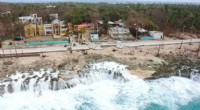
* Water erosion: Rivers, streams, and ocean currents transport sediment.
* Glacial erosion: Massive ice sheets carve out valleys and transport boulders.
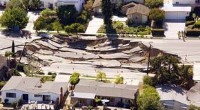
* Mass wasting: Gravity pulls rocks and soil downslope, such as landslides and mudflows.
3. Deposition:
* Sedimentation: The process of eroded material being deposited in new locations. This forms sedimentary rocks like sandstone, shale, and limestone.
* Volcanic eruptions: Volcanoes release molten rock (magma) that cools and solidifies, forming igneous rocks like basalt and granite.
4. Tectonic activity:
* Plate tectonics: The movement of Earth's tectonic plates can create mountains, valleys, and other features. This can expose new rock layers or bury existing ones.
* Earthquakes: Can cause shifts in the Earth's crust, displacing rock layers and creating faults.
5. Biological activity:
* Plants: Plant roots can break up rocks and contribute to soil formation.
* Animals: Burrowing animals can disrupt rock layers and transport sediment.
* Microorganisms: Bacteria and fungi can contribute to chemical weathering.
6. Human activities:
* Mining: Extraction of minerals and ores can create large-scale changes in the landscape.
* Construction: Building roads, dams, and other structures can alter rock deposits.
* Pollution: Acid rain and other forms of pollution can accelerate chemical weathering.
These factors all work together to constantly reshape the Earth's surface and change the distribution and composition of rock deposits. The process is ongoing and results in the diverse and dynamic landscape we see today.