Here's a breakdown:
* Oceanic plates are denser than continental plates.
* Subduction occurs when an oceanic plate collides with a continental plate or another oceanic plate.
* The denser oceanic plate is forced to bend and slide beneath the less dense plate.
* This process happens at convergent plate boundaries, where plates move towards each other.
Key Features of Subduction Zones:
* Trench: A deep, narrow depression in the ocean floor where the subducting plate bends downwards.
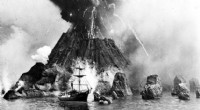
* Volcanic Arc: A chain of volcanoes that forms on the overriding plate due to the melting of the subducting plate.
* Earthquakes: Frequent and often powerful earthquakes occur along the subduction zone.
Examples of Subduction Zones:
* The Pacific Ring of Fire: A zone of intense volcanic and earthquake activity that encircles the Pacific Ocean.
* The Andes Mountains: Formed by the subduction of the Nazca Plate beneath the South American Plate.
* The Japanese Archipelago: Formed by the subduction of the Pacific Plate beneath the Eurasian Plate.
Subduction zones are crucial to the Earth's geological processes, as they:
* Recycle ocean crust: The subducted plate melts and releases material back into the mantle.
* Form new continents: Volcanic eruptions from subduction zones can build up landmasses over time.
* Drive plate tectonics: The forces created by subduction zones play a significant role in the movement of Earth's tectonic plates.