Here's a breakdown of how they formed:
1. The Juan de Fuca Plate: The Cascade Range sits atop the North American Plate. Beneath it lies the smaller Juan de Fuca Plate, an oceanic plate. The Juan de Fuca Plate is constantly moving eastward, diving beneath the North American Plate in a process called subduction.
2. Subduction and Melting: As the Juan de Fuca Plate plunges downwards, it encounters intense heat and pressure. This melts some of the plate, generating a pool of molten rock called magma.
3. Magma Rises: Buoyancy forces the magma to rise through cracks and weaknesses in the overlying North American Plate.
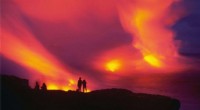
4. Volcanoes Arise: As the magma reaches the surface, it erupts, building up layers of lava and ash that eventually form volcanoes. Over millions of years, these volcanic eruptions have created the iconic peaks of the Cascades, including Mount Rainier, Mount Hood, and Mount Shasta.
5. Uplift and Erosion: The pressure from the subducting plate also pushes the overlying North American Plate upwards, creating the overall elevation of the Cascade Range. Erosion by glaciers and rivers has sculpted the range's distinctive peaks, valleys, and canyons.
In Summary:
The Cascade Mountains are a testament to the power of plate tectonics. The ongoing process of subduction, with its accompanying magma generation and volcanic activity, continues to shape the range today. The Cascade Mountains are a dynamic and ever-evolving landscape, a constant reminder of the earth's ever-changing geological forces.