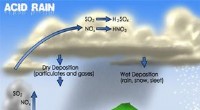
1. Dissolution: Limestone is primarily composed of calcium carbonate. When rainwater becomes slightly acidic due to dissolved carbon dioxide, it can dissolve the calcium carbonate. This process is called karst weathering.
2. Formation of Sinkholes: As the limestone dissolves, it creates cavities and depressions in the rock. Over time, these cavities can enlarge and connect, eventually forming sinkholes.
3. Surface Runoff and Erosion: Rainwater flows over the land, carrying sediment and organic matter. This runoff often concentrates in the areas around sinkholes and other depressions.
4. Surface Scar Formation: The concentrated runoff, combined with the erosive power of water, can carve out channels and depressions on the surface of the limestone. These features are known as limestone scars.
5. Characteristic Features: Limestone scars are often characterized by:
* Depressions and grooves: These are formed by the erosive action of water flowing over the surface.
* Exposed bedrock: The scars often expose the underlying limestone bedrock, revealing its texture and color.
* Drainage patterns: Limestone scars can influence the drainage patterns of an area, directing water flow into sinkholes and other depressions.
6. Factors Influencing Scar Development:
* Rainfall: Areas with high rainfall experience more dissolution and erosion, leading to more pronounced scars.
* Topography: The slope and orientation of the land can influence the concentration of runoff and the development of scars.
* Vegetation: Plant roots can contribute to weathering and erosion, accelerating the formation of scars.
7. Significance:
Limestone scars are important geological features that provide insights into the history of weathering and erosion in a region. They can also be indicators of karst formations, which can influence the availability of groundwater and the stability of the landscape.
In summary, limestone scars are formed by the combined effects of weathering, erosion, and runoff. These features are a testament to the ongoing processes of geological change that shape the Earth's surface.