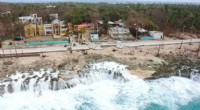
* Convergent Plate Boundaries: These are where tectonic plates collide. The immense pressure and friction generated at these boundaries can trigger massive earthquakes.
* Subduction Zones: This type of convergent boundary occurs when one oceanic plate slides beneath another oceanic plate or a continental plate. The most powerful earthquakes occur at these zones. Examples include the Pacific Ring of Fire, where the Pacific Plate subducts under surrounding plates.
* Continental Collisions: When two continental plates collide, they buckle and fold, forming mountain ranges. These collisions can also produce powerful earthquakes, though not as strong as subduction zone earthquakes.
Examples of major earthquakes at convergent plate boundaries:
* 2011 Tōhoku earthquake and tsunami (Japan) - Magnitude 9.0 (Subduction Zone)
* 2004 Indian Ocean earthquake and tsunami - Magnitude 9.1 (Subduction Zone)
* 1960 Valdivia earthquake (Chile) - Magnitude 9.5 (Subduction Zone)
* Transform Plate Boundaries: These boundaries are where plates slide past each other horizontally. While transform boundaries are less likely to produce the most powerful earthquakes compared to subduction zones, they can still generate significant earthquakes.
Examples of major earthquakes at transform plate boundaries:
* 1906 San Francisco earthquake - Magnitude 7.8 (San Andreas Fault)
* 1999 İzmit earthquake (Turkey) - Magnitude 7.6 (North Anatolian Fault)
While most major earthquakes occur at plate boundaries, it's important to note that intraplate earthquakes, those that occur within a tectonic plate, can also be significant. However, they are generally less common and less powerful than those at plate boundaries.