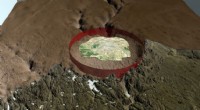
1. Temperature: As you go deeper into the Earth, the temperature increases. This is due to the heat generated by the Earth's core and radioactive decay within the mantle. The increasing temperature leads to the melting of rocks and metals at depth.
2. Pressure: The immense pressure exerted by the weight of the overlying rock layers also plays a crucial role. While the pressure increases with depth, it actually inhibits melting.
Here's how these factors work together:
* Deep within the Earth: The combination of high temperatures and immense pressure creates a unique environment. Even though temperatures are high enough to melt rocks, the pressure counteracts this effect, keeping the majority of the mantle solid.
* The Earth's Core: The core is the hottest part of the Earth, with temperatures exceeding 5,000°C. The pressure is also incredibly high, but it is not sufficient to prevent melting. The outer core is liquid, primarily composed of iron and nickel, while the inner core is solid due to the immense pressure.
* The Lithosphere: The Earth's lithosphere, which includes the crust and uppermost mantle, is relatively cool and brittle due to the lower temperatures and pressures.
In summary, the state of rock and metal inside the Earth is determined by the interplay of temperature and pressure. This dynamic balance creates the distinct layers of the Earth, from the solid lithosphere to the liquid outer core.