General terms:
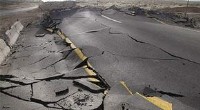
* Fracture: This is a general term for any break in a rock.
* Fissure: This term is often used for a narrow crack, especially one that is vertical or nearly vertical.
* Crevice: This term is similar to fissure, but often implies a deeper and more irregular crack.
More specific terms:
* Fault: A large fracture in the Earth's crust where rocks have moved past each other. Faults can be hundreds or even thousands of kilometers long.
* Joint: A fracture in rock where there has been no significant movement. Joints are often formed by tectonic forces or changes in pressure.
* Cleft: This term is often used for a narrow, deep crack, especially one that is formed by erosion or weathering.
* Gorge: A deep, narrow valley formed by erosion along a fault or joint.
* Canyon: A deep, wide valley formed by erosion along a fault or river.
The best term to use will depend on the specific characteristics of the crack.