1. Divergent Plate Boundaries
* What happens: Plates move apart.
* Geologic activity:
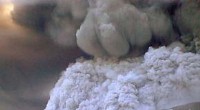
* Volcanism: As plates separate, magma rises from the mantle to fill the gap, creating new crust. This often results in volcanic eruptions and the formation of mid-ocean ridges (underwater mountain ranges).
* Earthquakes: These earthquakes tend to be relatively shallow and less powerful than those at convergent boundaries.
* Rift Valleys: On land, diverging plates can create rift valleys, where the land is pulled apart and sinks. Examples include the East African Rift Valley.
2. Convergent Plate Boundaries
* What happens: Plates collide.
* Geologic activity:
* Volcanism: When one plate subducts (sinks) beneath another, the descending plate melts, generating magma that rises to the surface, often forming volcanic arcs.
* Earthquakes: These earthquakes can be very deep and powerful, as the plates grind against each other.
* Mountain Ranges: Collisions between continental plates can create massive mountain ranges, such as the Himalayas.
* Subduction Zones: These are areas where one plate slides beneath another, leading to the formation of deep ocean trenches and volcanic arcs.
3. Transform Plate Boundaries
* What happens: Plates slide past each other horizontally.
* Geologic activity:
* Earthquakes: The most common activity at transform boundaries. As the plates slide, they can get stuck, causing pressure to build up and release in the form of earthquakes.
* Fault Zones: Transform boundaries are characterized by long, linear fault zones, such as the San Andreas Fault in California.
* No Volcanism: Unlike other boundaries, transform boundaries typically do not have significant volcanic activity.
Summary Table:
| Boundary Type | Movement | Geologic Activity |
|---|---|---|
| Divergent | Plates move apart | Volcanism, Earthquakes, Rift Valleys |
| Convergent | Plates collide | Volcanism, Earthquakes, Mountain Ranges, Subduction Zones |
| Transform | Plates slide past each other | Earthquakes, Fault Zones |