Exploration and Resource Assessment:
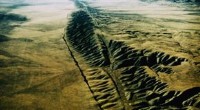
* Mapping and surveying: Using various techniques (aerial photography, ground surveys, GPS) to create detailed maps of geological formations.
* Rock and mineral identification: Analyzing rock and mineral samples to identify their composition, age, and origin.
* Resource exploration: Locating and evaluating potential sources of minerals, oil, natural gas, and groundwater.
* Environmental assessment: Evaluating the potential impacts of human activities on the environment, such as mining or construction.
Research and Analysis:
* Analyzing data: Interpreting data from various sources, including field observations, laboratory tests, and satellite imagery.
* Developing models: Creating computer models to simulate geological processes and predict future events, such as earthquakes or volcanic eruptions.
* Publishing research: Sharing their findings through scientific journals, conferences, and presentations.
Consulting and Management:
* Providing expert advice: Advising companies and government agencies on geological issues related to mining, energy production, construction, and environmental management.
* Project management: Overseeing geological projects, ensuring that they are completed on time and within budget.
Other tasks:
* Teaching and education: Sharing their knowledge of geology with students at all levels.
* Outreach and public education: Communicating the importance of geology to the general public.
Specific examples of common tasks:
* Collecting rock samples: Using a hammer and chisel to collect rock samples from outcrops in the field.
* Analyzing fossils: Examining fossils under a microscope to identify the species and determine the age of the rock.
* Interpreting seismic data: Studying seismic waves to identify underground structures and potential oil and gas reserves.
* Designing mine plans: Creating plans for the extraction of minerals from the Earth.
Ultimately, the specific tasks of a geologist will depend on their area of specialization and their employer.