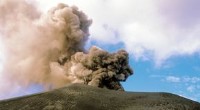
* Magma: Magma is molten rock found beneath the Earth's surface.
* Igneous Rocks: Igneous rocks are formed when magma (or lava, which is magma that has erupted onto the Earth's surface) cools and solidifies.
Here's a breakdown of how it works:
1. Deep Underground: Magma is generated deep within the Earth's crust or mantle.
2. Cooling and Solidification: Over time, the magma cools and crystallizes, forming solid rock.
3. Exposure: Geological processes like erosion or tectonic plate movement can bring these rocks to the surface, where miners might find them.
Types of Igneous Rocks:
The type of igneous rock formed depends on the composition of the magma and how quickly it cools:
* Intrusive Igneous Rocks: These form when magma cools slowly underground. They have larger crystals and are often coarse-grained (examples: granite, gabbro).
* Extrusive Igneous Rocks: These form when lava cools quickly on the surface. They have smaller crystals and are often fine-grained (examples: basalt, rhyolite).
So, the miners' rock is an igneous rock formed from magma that cooled and solidified deep underground!