* Tectonic Plates: The Earth's crust is made up of large plates that are constantly moving. These plates can collide, pull apart, or slide past each other.
* Folding and Faulting: When tectonic plates collide, the immense pressure can cause the rock layers to fold or break. This folding and faulting results in the tilting of strata.
* Other Possibilities: While less common, other factors can contribute to tilting:
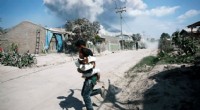
* Volcanic Activity: Lava flows and volcanic eruptions can uplift or tilt existing rock layers.
* Erosion: Over long periods, erosion can wear away rock on one side of a layer, leading to tilting.
* Gravity: In some cases, gravity can cause the slow slippage of rock layers downhill, resulting in tilting.
Important Note: The specific angle and pattern of the tilting can provide clues about the type of tectonic forces involved.