Dominant Vegetation:
* Coniferous Forests:
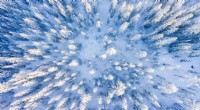
* Larch (Larix) and Spruce (Picea) trees are the most common, forming open stands interspersed with grasslands.
* These trees are adapted to the cold, harsh winters and short growing season of the region.
* The forests are often mixed with deciduous trees like birch (Betula) and aspen (Populus).
* Grasslands:
* Grasses and sedges dominate the open areas, providing a vital food source for grazing animals.
* Common species include fescue (Festuca), reedgrass (Calamagrostis), and sedges (Carex).
* Shrubs:
* Dwarf birch (Betula nana) and willow (Salix) are common in the understory of the forests and grasslands.
* These shrubs provide shelter and food for small animals.
Factors Influencing Vegetation:
* Climate: Cold, dry winters and short, cool summers are the defining features of the boreal plains.
* Soil: The soil is typically thin and poorly drained, with a layer of permafrost beneath the surface.
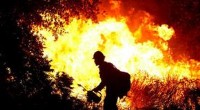
* Fire: Frequent wildfires play a role in shaping the vegetation, clearing out old trees and promoting the growth of fire-resistant species.
* Grazing: The grasslands are grazed by large herbivores like moose, caribou, and elk.
Regional Variations:
* The specific vegetation varies slightly depending on the location within the boreal plains.
* In areas with more moisture, the forests may be denser and more diverse.
* In drier areas, grasslands are more prevalent.
Overall, the vegetation of boreal plains reflects the harsh conditions of the region. It is a delicate ecosystem that is constantly adapting to change.