Weathering
* Physical weathering: This involves the breakdown of rocks into smaller pieces without changing their chemical composition. Examples include:
* Frost wedging: Water seeps into cracks in rocks, freezes, expands, and breaks the rock.
* Thermal expansion and contraction: Rocks expand when heated and contract when cooled. This repeated expansion and contraction can cause cracks and eventually break the rock.
* Abrasion: Rocks are ground down by other rocks, sand, or ice.
* Chemical weathering: This involves the breakdown of rocks by chemical reactions. Examples include:
* Oxidation: Iron in rocks reacts with oxygen to form rust, which weakens the rock.
* Carbonation: Carbon dioxide in rainwater reacts with certain minerals in rocks, dissolving them.
* Hydrolysis: Water reacts with minerals in rocks, changing their composition and weakening them.
Erosion
* Erosion is the process of moving weathered material from one place to another. The primary agents of erosion are:
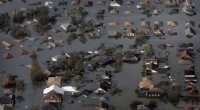
* Water: Rivers, streams, and rain all carry away weathered material.
* Wind: Wind can pick up and transport sand, silt, and dust.
* Ice: Glaciers can carve out valleys and transport large amounts of rock.
* Gravity: Gravity can pull rocks and soil downhill, leading to landslides and rockfalls.
The Process
Weathering breaks down mountains into smaller pieces, and erosion carries these pieces away. Over very long periods of time, these processes can level even the highest mountains.
Other factors
* Tectonic activity: While weathering and erosion are the primary forces that level mountains, tectonic activity plays a role. The same forces that create mountains can also uplift and rejuvenate them, slowing down the leveling process.
* Climate: Different climates have different weathering and erosion rates. Warm, humid climates generally experience faster weathering and erosion than cold, dry climates.
Time Scale
The process of leveling mountains takes millions of years. However, the rate of weathering and erosion can vary greatly depending on the factors mentioned above.