Hard Skills (Technical)
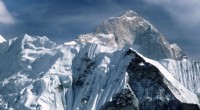
* Geology Fundamentals: A deep understanding of geological processes like plate tectonics, rock formation, stratigraphy, and mineral identification.
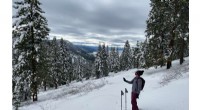
* Fieldwork: Ability to navigate rugged terrain, collect rock and soil samples, map geological formations, and use field equipment like compasses, GPS, and geological hammers.
* Analytical Skills: Interpretation of geological data, including rock and mineral analysis, geophysical surveys, and remote sensing data.
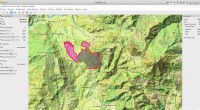
* Data Analysis and Visualization: Proficiency in statistical software, GIS (Geographic Information Systems), and data visualization tools to analyze and present geological data.
* Scientific Method: Strong research skills, ability to design and conduct experiments, and formulate conclusions based on evidence.
* Computer Literacy: Familiarity with geological software (e.g., Petrel, GeoModeller), data processing software (e.g., ArcGIS, QGIS), and programming languages (e.g., Python) for analysis and modeling.
Soft Skills (Interpersonal)
* Communication: Ability to explain complex geological concepts clearly to both technical and non-technical audiences, including writing reports, presentations, and scientific publications.
* Teamwork: Collaboration with other geologists, engineers, and scientists on research projects or industry endeavors.
* Problem-Solving: Critical thinking skills to identify and solve geological problems, analyze data, and make informed decisions.
* Adaptability: Ability to work in diverse environments and adapt to changing field conditions.
* Persistence: Patience and dedication to complete long-term research projects, analyze vast datasets, and conduct fieldwork in challenging conditions.
* Ethics: Adherence to scientific integrity and ethical practices in data collection and analysis.
To Develop These Skills:
* Education: A Bachelor's degree in geology is generally required, and a Master's or Ph.D. degree may be necessary for advanced research positions or specialized fields.
* Field Experiences: Participate in fieldwork opportunities through university programs, internships, or volunteer work to gain practical experience.
* Technical Skills: Take courses and workshops to develop proficiency in specific software and analytical techniques.
* Networking: Attend conferences, join professional organizations, and connect with other geologists to learn from their experiences.
By developing these skills and gaining practical experience, you can pave your way toward a successful career in geology.