Here's why it takes so long:
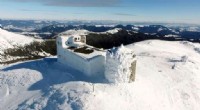
* Weathering: The breakdown of parent rock into smaller particles (the first step of soil formation) is a gradual process influenced by factors like:
* Physical weathering: Freezing/thawing, wind abrasion, etc.
* Chemical weathering: Acid rain, oxidation, etc.
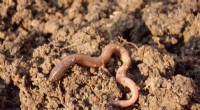
* Biological weathering: Plant roots, burrowing animals, etc.
* Decomposition: Organic matter from plants and animals decomposes slowly, adding nutrients and structure to the soil.
* Biological activity: Microorganisms like bacteria and fungi play a crucial role in breaking down organic matter and creating a fertile environment.
* Climate: Temperature, rainfall, and other climate factors influence the rate of weathering and decomposition.
Factors Affecting Soil Formation Time:
* Parent rock type: Hard rocks weather more slowly than softer rocks.
* Climate: Warm, humid climates generally support faster soil formation than cold, dry climates.
* Topography: Steep slopes can lead to erosion and hinder soil development.
* Biological activity: The presence of plants and animals significantly influences soil formation.
It's important to remember that soil is a dynamic system, constantly changing and evolving. Even after it's formed, soil can be lost through erosion or degraded by human activities.
Therefore, it's essential to protect and conserve our existing soils to ensure future generations have access to this vital resource.