Here's why:
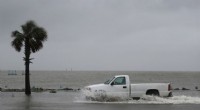
* Water's power: Water is a powerful force that can carve out canyons, transport massive amounts of sediment, and reshape entire landscapes.
* Prevalence: Water is abundant on Earth in various forms (rain, rivers, oceans, glaciers, etc.), providing ample opportunity for erosion.
* Versatility: Water can erode through various mechanisms like hydraulic action, abrasion, and solution, making it effective on different types of rock and soil.
While water is the most dominant, other agents of erosion include:
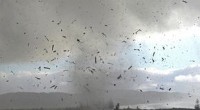
* Wind: Wind can transport sand and dust, causing deflation and abrasion, particularly in arid regions.
* Ice: Glaciers are powerful erosive forces, carving valleys and transporting sediment.
* Gravity: Gravity can cause landslides and mass wasting, leading to significant erosion.
* Human activity: Human activities such as deforestation, mining, and agriculture can accelerate erosion.
The relative importance of each agent depends on factors like climate, topography, and human intervention. However, water remains the most widespread and powerful erosive force shaping our planet.