This event, which occurred approximately 252 million years ago, was the most severe known extinction event in Earth's history, with an estimated 90% of marine species and 70% of terrestrial vertebrate species going extinct.
The event is thought to have been caused by a combination of factors, including:
* Volcanic eruptions: Massive volcanic eruptions in Siberia released vast amounts of greenhouse gases, causing global warming and ocean acidification.
* Climate change: The rapid warming caused by volcanic eruptions led to widespread environmental changes, including ocean anoxia (lack of oxygen) and shifts in ocean currents.
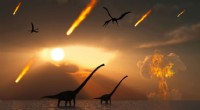
* Asteroid impact: Some scientists theorize that an asteroid impact may have contributed to the extinction event, but evidence for this is less clear.
The Permian-Triassic extinction event drastically changed the biosphere, paving the way for the rise of dinosaurs and other Mesozoic life forms.