Volcanic Rocks
* Basalt: A dark-colored, fine-grained rock that is very common. It is often found in lava flows and is rich in magnesium and iron. Think of the dark rocks on the ocean floor or the Hawaiian islands.
* Rhyolite: A light-colored, fine-grained rock that is rich in silica. It can be glassy, with a smooth texture, or have a more granular texture. You might find rhyolite in areas with volcanic activity.
* Andesite: A medium-colored, fine-grained rock that is a mix of minerals. It has a composition between basalt and rhyolite. Andesite is common in areas with volcanic mountain chains, like the Andes Mountains.
* Scoria: A dark, vesicular rock with a lot of holes (vesicles) created by escaping gas during eruption. Think of the "cinders" you might see in a volcano.
* Pumice: A very porous, light-colored rock that can even float on water. It forms when lava rich in silica rapidly cools and traps gas bubbles. Pumice is used in things like abrasive cleaning products.
Other Extrusive Igneous Rocks
* Obsidian: A dark, glassy rock that forms when lava cools very quickly. It has a sharp edge and is sometimes used to make tools.
* Tuff: A rock formed from the consolidation of volcanic ash. It can be very fine-grained and is often found in layers.
* Breccia: A rock formed from angular fragments of other rocks that have been cemented together. This can occur from volcanic eruptions or other explosive events.
Key Points:
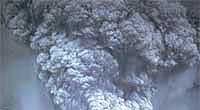
* Formation: Extrusive igneous rocks form when magma erupts onto the Earth's surface as lava and cools rapidly.
* Texture: They typically have a fine-grained texture (small crystals) due to the rapid cooling.
* Composition: The mineral composition of extrusive rocks can vary depending on the original magma.
I hope this helps! Let me know if you have any other questions.