1. Expansion and Contraction:
* Heating: When rocks are heated by the sun, their minerals expand.
* Cooling: When rocks cool down at night, their minerals contract.
2. Differential Heating and Cooling:
* Rocks don't heat and cool evenly. The outer layers of a rock will heat and cool faster than the interior. This creates internal stresses.
3. Stress and Fracture:
* Repeated expansion and contraction: Over time, the repeated cycles of expansion and contraction create internal stresses within the rock.
* Weakening of the rock: These stresses can cause microscopic cracks and fissures to form.
* Eventually, the rock weakens enough to break along these fractures. This breaking is called exfoliation, where layers of rock peel away like an onion.
Examples of thermal stress weathering:
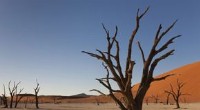
* Desert regions: Large daily temperature swings cause rapid heating and cooling, leading to significant weathering. This is why you often see rocks with smooth, rounded surfaces in deserts.
* Mountains: The exposed surfaces of mountains experience extreme temperature differences, causing the rocks to break down.
* Forest fires: The intense heat of forest fires can cause rapid heating and cooling, leading to cracking and disintegration of rocks.
Factors influencing thermal stress:
* Rock type: Some rocks are more resistant to thermal stress than others. Granite, for example, is very resistant, while sandstone is more susceptible.
* Climate: Areas with large temperature swings will experience more thermal stress.
* Rock surface area: Larger surface areas are more exposed to temperature changes, leading to more weathering.
Thermal stress is an important process of weathering, especially in areas with extreme temperature fluctuations. It can break down large rocks into smaller pieces, creating new soil and contributing to the evolution of landscapes.