1. Earth's Composition and Structure:
* Mineralogy and Petrology: They analyze the composition and properties of rocks and minerals, understanding how they form and interact.
* Geology: They investigate the layers of the Earth, including the crust, mantle, and core, and how they have evolved over time.
* Geochemistry: They analyze the chemical composition of Earth materials, including rocks, minerals, water, and air.
* Geophysics: They study the physical properties of the Earth, such as gravity, magnetism, and seismic waves, to understand its structure and processes.
2. Earth's Processes:
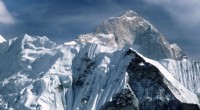
* Tectonics: They examine the movement of Earth's plates, causing earthquakes, volcanic eruptions, and mountain building.
* Volcanology: They study volcanoes and their activity, including eruptions and lava flows.
* Seismology: They analyze earthquakes, their causes, and effects.
* Hydrology: They investigate the movement and distribution of water on and beneath the Earth's surface.
* Glaciology: They study glaciers, their formation, movement, and impact on the environment.
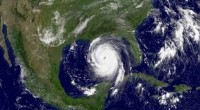
* Meteorology: They study the atmosphere, weather patterns, and climate change.
3. Earth's History:
* Paleontology: They study fossils to understand the evolution of life on Earth.
* Stratigraphy: They analyze rock layers to understand the Earth's history and the timing of geological events.
* Paleoclimatology: They investigate past climates and how they have changed over time.
4. Applied Geoscience:
* Resource Exploration: They use their knowledge to search for and extract natural resources like oil, gas, minerals, and groundwater.
* Environmental Geoscience: They study the impact of human activities on the Earth's environment, including pollution, climate change, and resource management.
* Engineering Geology: They apply geological principles to design and construct infrastructure projects, such as buildings, roads, and dams.
In summary, Geoscientists are explorers of the Earth, using various scientific tools and methodologies to understand its intricate workings, past history, and future potential.