1. The type of rock:
* Igneous rocks: These are formed from cooled magma or lava. They can be very resistant to erosion and may retain their original shape, though they will likely have a weathered, rough surface.
* Sedimentary rocks: These are formed from compressed sediment. They are more prone to erosion and can be broken down into smaller pieces, creating rounded shapes and smooth surfaces.
* Metamorphic rocks: These are formed from existing rocks under heat and pressure. Their resistance to erosion varies depending on their composition, but they often display a layered or banded appearance due to the pressure they experienced.
2. The type of erosion:
* Weathering: This is the breakdown of rocks in place, usually caused by wind, rain, ice, and temperature fluctuations.
* Wind erosion: Can create sandblasted surfaces, pitted textures, and rounded edges.
* Water erosion: Can create grooves, channels, and potholes.
* Ice erosion: Can cause frost wedging (freezing water expands, breaking rocks), creating jagged surfaces and sharp edges.
* Abrasion: This is the grinding of rocks against each other, usually caused by windblown sand or moving water. It creates smooth, polished surfaces and rounded edges.
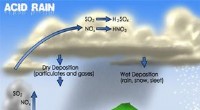
* Chemical erosion: This involves chemical reactions that break down rocks, often caused by acidic rain or groundwater. It can create holes, pits, and uneven surfaces.
3. The amount of time:
* Short-term erosion: May only create minor changes to a rock's surface.
* Long-term erosion: Can lead to significant changes in the rock's shape, size, and even composition.
Common characteristics of eroded rocks:
* Rounded edges: Erosion often wears down sharp edges and corners.
* Smooth surfaces: Abrasion and weathering can create a smooth, polished texture.
* Pits and holes: These can be created by weathering, chemical erosion, and abrasion.
* Color changes: Exposure to elements can alter the color of the rock.
* Smaller size: Erosion breaks down rocks into smaller pieces.
Examples:
* A riverbed: Smooth, rounded pebbles and cobbles are the result of years of erosion by the river.
* A mountain peak: Wind erosion can create jagged ridges and sharp peaks.
* A sandstone cliff: Weathering can create cracks and crevices, and eventually break the cliff into smaller pieces.
In summary, eroded rocks can have a variety of appearances depending on the type of rock, the type of erosion, and the amount of time. The effects of erosion are a fascinating and continuous process that shapes the Earth's landscapes.