* Windward Side: As moist air rises up the windward side of the mountain, it cools, causing the air to become saturated. This results in precipitation on the windward side.
* Leeward Side: The air that descends on the leeward side is now dry, as it has already released most of its moisture. This descending air warms, further reducing its ability to hold moisture, leading to a drier climate.
Therefore, the leeward side of a mountain range is characterized by:
* Lower precipitation: Less rain and snowfall compared to the windward side.
* Higher temperatures: Warmer temperatures due to the descending, warm air.
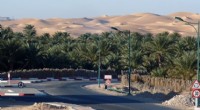
* Arid conditions: Dry landscapes, often with deserts or semi-deserts.
Examples:
* The Sierra Nevada Mountains: The eastern side of the Sierra Nevada in California is much drier than the western side due to the rain shadow effect.
* The Himalayas: The Tibetan Plateau on the north side of the Himalayas is extremely dry due to the rain shadow created by the mountains.
It's important to note that the specific climate on the leeward side can vary depending on factors like the height of the mountain range, the prevailing wind direction, and the overall regional climate.