1. The Earth's Crust is Made of Plates:
* The Earth's outer layer, the lithosphere, is broken into giant plates called tectonic plates.
* These plates are constantly moving, driven by convection currents in the Earth's mantle.
2. Plate Boundaries:
* Where these plates meet, we have plate boundaries. There are three main types:
* Convergent Boundaries: Where plates collide. This is where mountains are most commonly formed.
* Divergent Boundaries: Where plates move apart. This creates new crust and often leads to volcanic activity.
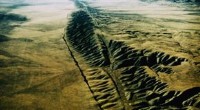
* Transform Boundaries: Where plates slide past each other. This causes earthquakes.
3. Mountain Formation at Convergent Boundaries:
* Continental-Continental Convergence: When two continental plates collide, the landmass buckles and folds, creating mountains. The Himalayas are a prime example, formed by the collision of the Indian and Eurasian plates.
* Oceanic-Continental Convergence: When an oceanic plate collides with a continental plate, the denser oceanic plate subducts (sinks) beneath the continental plate. This process creates a chain of volcanoes along the continental margin, which can eventually form mountains. The Andes Mountains in South America are a classic example.
* Oceanic-Oceanic Convergence: When two oceanic plates collide, the denser plate subducts beneath the other. This leads to the formation of volcanic island arcs, like the islands of Japan.
4. Other Factors:
* Volcanic Activity: Volcanoes can build up over time, eventually forming mountains.
* Erosion: Erosion by wind, water, and ice can also shape mountains, creating peaks, valleys, and canyons.
In summary, mountain ranges are formed primarily by the collision of tectonic plates, resulting in the folding and uplift of the Earth's crust.