1. Tectonic Plate Collisions:
* Convergent Plate Boundaries: When two tectonic plates collide, the denser plate subducts (slides) beneath the less dense plate. This process creates immense pressure and heat, causing the crust to buckle, fold, and uplift, forming mountains.
* Examples: The Himalayan Mountains formed from the collision of the Indian and Eurasian plates, while the Andes Mountains formed from the collision of the Nazca and South American plates.
* Continental-Continental Collisions: When two continental plates collide, they are of similar density, so neither subducts. Instead, the immense force causes the crust to crumple and fold, creating mountain ranges.
* Example: The Appalachian Mountains in North America formed from the collision of the North American and African plates.
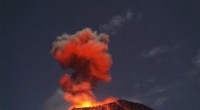
2. Volcanic Activity:
* Volcanic Mountains: When magma from the Earth's mantle erupts onto the surface, it can build up over time to form mountains.
* Examples: Mount Fuji in Japan and Mount Kilimanjaro in Tanzania are examples of volcanic mountains.
* Subduction Zones: Volcanoes can also form at subduction zones when the subducting plate melts, creating magma that rises to the surface.
* Example: The Cascade Range in the western United States is a chain of volcanic mountains formed by subduction.
Other Processes:
* Erosion: While erosion can wear down mountains over time, it can also play a role in their formation. Erosion can expose underlying rock formations, leading to the creation of mountains.
* Faulting: Earthquakes can cause faults in the Earth's crust, which can lead to the uplift of rock and the formation of mountains.
Summary:
Mountains are majestic landforms that arise from the powerful forces within our planet. Tectonic plate collisions and volcanic activity are the primary mechanisms behind mountain formation, with other processes like erosion and faulting also contributing to their evolution.