1. Surface Water:
* Springs: Groundwater naturally discharges at the surface, forming springs.
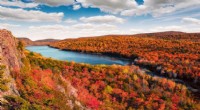
* Rivers and Lakes: Groundwater can flow into surface water bodies, replenishing them and maintaining their water levels.
* Wetlands: Groundwater often supports the unique ecosystems of wetlands.
2. The Ocean:
* Coastal Areas: Groundwater flows through the ground and discharges directly into the ocean, especially in coastal areas.
* Underground Rivers and Channels: In some regions, groundwater flows in large underground channels that eventually reach the ocean.
3. Evapotranspiration:
* Plants: Plants absorb groundwater through their roots and release it into the atmosphere through transpiration.
* Soil Evaporation: Groundwater can rise to the surface and evaporate directly into the atmosphere.
4. Human Use:
* Wells: Humans extract groundwater for drinking, irrigation, and industrial purposes.
* Mining and Extraction: Groundwater can be pumped for mining operations and other extractive industries.
5. Recharge Zones:
* Precipitation: Rainfall, snowmelt, and other forms of precipitation can infiltrate the ground and replenish groundwater aquifers.
* Surface Water Infiltration: Water from rivers, lakes, and wetlands can also infiltrate the ground and replenish groundwater.
Important Note: The movement of groundwater is influenced by factors like:
* Geology: The type of rock and soil influences how easily water flows through the ground.
* Topography: The shape of the land determines the direction of groundwater flow.
* Climate: Precipitation and evaporation rates influence the amount of groundwater recharge and discharge.
So, groundwater doesn't end up in one specific place, but rather it is part of a dynamic system that connects different parts of the Earth's surface and atmosphere.