1. Temperature: The primary driver of magma melt. As temperature increases, the energy within the rock's mineral structure overcomes the bonds holding the solid form together, resulting in a molten state.
2. Pressure: High pressure within the Earth's interior can actually inhibit melting. This is because the pressure forces the molecules closer together, making it more difficult for them to break apart and become liquid.
3. Water Content: The presence of water lowers the melting point of rocks. Water acts as a lubricant, weakening the bonds between mineral grains, making it easier for them to melt.
4. Composition: Different minerals have different melting points. Rocks rich in silica (like granite) generally melt at lower temperatures than those rich in iron and magnesium (like basalt).
Types of Magma Melt:
* Partial Melting: Only a portion of the rock melts, forming a magma with a different composition than the original rock.
* Complete Melting: The entire rock melts, forming a magma with the same composition as the original rock.
Consequences of Magma Melt:
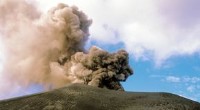
* Volcanic Activity: Magma that reaches the Earth's surface is called lava, and its eruption is a major force shaping the Earth's surface.
* Formation of Igneous Rocks: When magma cools and solidifies, it forms igneous rocks, which make up a significant portion of the Earth's crust.
* Geothermal Energy: Heat generated by magma can be harnessed as a renewable energy source.
In Summary:
Magma melt is a crucial geological process responsible for volcanic activity, the formation of igneous rocks, and the release of heat energy from Earth's interior. The factors that influence magma melt are intricate and interconnected, creating a dynamic system that continually shapes our planet.