1. Weathering and Erosion:
* Weathering: Soil formation begins with the weathering of rocks. Physical weathering (like freezing/thawing) and chemical weathering (like acid rain) break down rocks into smaller pieces.
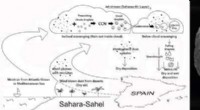
* Erosion: Wind, water, and ice transport these weathered rock fragments, often through the soil, and deposit them elsewhere. This erosion process also contributes to soil development.
2. Soil Formation:
* Parent Material: The eroded rock fragments become the parent material for soil. This material is mixed with organic matter from decayed plants and animals, forming the foundation of the soil.
* Biological Activity: Soil is teeming with organisms like bacteria, fungi, and earthworms that further break down the parent material and create soil structure.
* Time: Soil formation is a very slow process, taking hundreds to thousands of years to develop.
3. Sedimentation and Lithification:
* Sedimentation: Eroded soil particles, along with other weathered rock fragments, are carried by wind, water, or ice and deposited in new locations, forming sediments.
* Lithification: Over time, these sediments are compacted by pressure and cemented together by minerals dissolved in groundwater, forming sedimentary rocks.
Therefore, soil acts as a critical link in the rock cycle:
* Breaking down: Soil facilitates the breakdown of rocks through weathering and erosion.
* Transporting: Soil transports weathered rock fragments, contributing to the movement of sediment.
* Transforming: Soil itself is a product of weathering and erosion, and its components contribute to the formation of new sedimentary rocks.
The rock cycle is a continuous process, and soil plays a vital role in this cycle, connecting the breakdown of existing rocks to the formation of new ones.