1. Physical Weathering:
* Frost Wedging: Water seeps into cracks in the granite, freezes, expands, and puts pressure on the rock. This repeated freezing and thawing can eventually break the rock apart.
* Thermal Expansion and Contraction: The temperature changes throughout the day and night can cause the granite to expand and contract. This constant stress weakens the rock and causes it to crack.
* Abrasion: Wind, rain, and moving water carry sand and other particles that rub against the granite, gradually wearing it away.
2. Chemical Weathering:
* Hydrolysis: Water reacts with the minerals in the granite, breaking them down into new, softer minerals.
* Oxidation: Oxygen in the air and water reacts with iron in the granite, forming iron oxide (rust). This rust weakens the rock.
* Carbonation: Carbon dioxide in the air dissolves in rainwater, forming carbonic acid. This acid reacts with the minerals in the granite, dissolving them.
3. Biological Weathering:
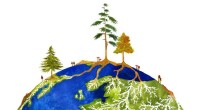
* Plant Roots: Plant roots can grow into cracks in the granite, and as they grow larger, they exert pressure that can break the rock.
* Burrowing Animals: Animals like earthworms and moles dig tunnels in the soil, which helps to expose the granite to weathering.
* Lichens: Lichens are a combination of fungi and algae that can grow on granite. They release acids that weaken the rock.
The Process of Soil Formation:
Over time, these weathering processes break the granite into smaller and smaller pieces. Eventually, these pieces are small enough to be considered soil. The process of soil formation also involves the addition of organic matter from decaying plants and animals.
Factors Affecting Soil Formation:
* Climate: Temperature and rainfall affect the rate of weathering.
* Parent Material: The type of rock (in this case, granite) influences the composition of the soil.
* Topography: Slope, elevation, and aspect all affect the rate of weathering.
* Time: Soil formation is a slow process that can take hundreds or even thousands of years.
Summary:
The breakdown of granite rock into soil is a complex process that involves physical, chemical, and biological weathering. These processes work together to break the rock into smaller particles, which then mix with organic matter to form soil.